
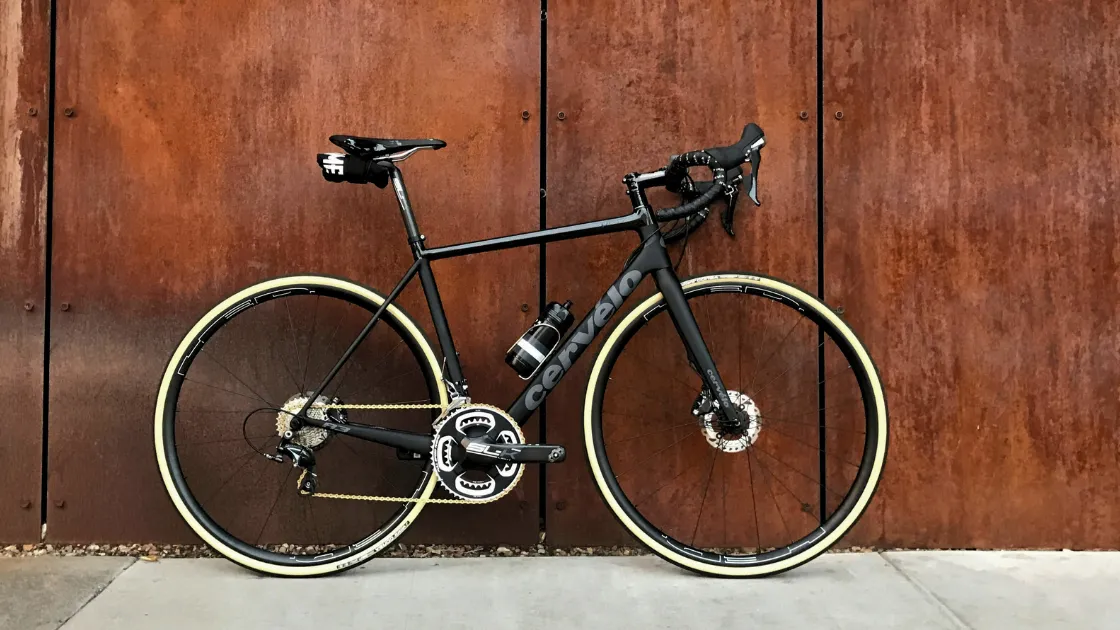
Road Bike Sizing Guide (2026) — Frame Size Chart by Height
Quick Answer
Most riders between 5’6″–5’9″ (168–175cm) start on a 54–55cm road frame (Medium). If you’re between sizes: smaller = lower front end & racier fit; larger = taller stack & more upright feel. Always confirm with your brand’s geometry chart—a 56cm Trek fits differently than a 56cm Specialized.
About This Sizing Guide
This guide aggregates sizing recommendations from major bicycle manufacturers (Trek, Specialized, Giant, Cannondale) and industry standards. While we specialize in e-bike law and regulation, we maintain these sizing resources as a reference for riders.
For precise bike fitting—especially if you’re between sizes or have specific fit concerns—we recommend consulting with a professional bike fitter or visiting your local bike shop.
Information synthesized from manufacturer sizing charts and ISO 4210 standards. Last reviewed: February 2026.Road Bike Size Chart by Height
| Rider Height | Centimeters | Frame Size (cm) | Label |
|---|---|---|---|
| 4’10″ – 5’0″ | 148 – 152cm | 47 – 48cm | XX-Small |
| 5’0″ – 5’3″ | 152 – 160cm | 49 – 50cm | X-Small |
| 5’3″ – 5’6″ | 160 – 168cm | 51 – 53cm | Small |
| 5’6″ – 5’9″ | 168 – 175cm | 54 – 55cm | Medium |
| 5’9″ – 6’0″ | 175 – 183cm | 56 – 58cm | Large |
| 6’0″ – 6’3″ | 183 – 191cm | 58 – 60cm | X-Large |
| 6’3″ – 6’6″ | 191 – 198cm | 61 – 63cm | XX-Large |
These ranges are starting points. Torso length, arm length, and riding style all affect your ideal size. Always verify against the manufacturer’s geometry chart.
Race vs. Endurance Geometry
Modern road bikes come in two main geometry types. The same frame size fits very differently depending on which type you choose:
Race Geometry
AggressivePosition: Lower front end, aerodynamic and aggressive
- Shorter head tube (lower stack)
- Longer reach to handlebars
- Steeper angles for quick handling
- Best for: Racing, criteriums, fast group rides
Endurance Geometry
ComfortPosition: Taller front end, upright and comfortable
- Longer head tube (taller stack)
- Shorter reach to handlebars
- Relaxed angles for stable handling
- Best for: Long rides, touring, comfort priority
Example: A 5’9″ rider might take a 56cm race bike for aggressive positioning but a 54cm endurance bike for the same effective reach with more comfort.
Between Sizes? Here’s How to Decide
👉 If you fall between two frame sizes…
- Shorter torso relative to your height
- Want more aggressive, aerodynamic position
- Prefer quick, responsive handling
- Comfortable in a lower, stretched position
- Longer torso relative to your height
- Want upright, comfortable position for long rides
- Prefer stable handling at speed
- Lower position causes back/neck discomfort
Best approach: Test ride both sizes. The difference in reach to handlebars and hood position matters more than the size label.
What These Measurements Actually Mean
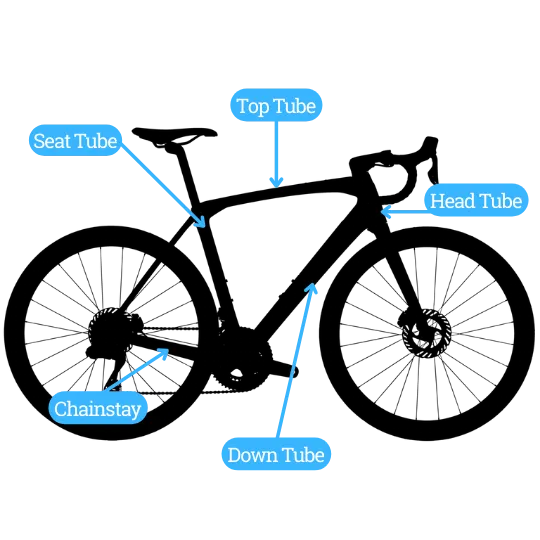
Seat Tube: The size label (e.g., “56cm”) usually refers to seat tube length, but brands measure this differently (center-to-top vs. center-to-center).
Reach: Horizontal distance from bottom bracket to top of head tube. Longer reach = more stretched out position. This matters more than the size label.
Stack: Vertical distance from bottom bracket to top of head tube. Taller stack = more upright position. Race bikes have lower stack; endurance bikes have taller stack.
Pro tip: When comparing bikes across brands, check reach and stack numbers on the geometry chart—these tell you how the bike actually fits.
Common Sizing Mistakes to Avoid
- Using only height: Inseam and torso length matter just as much. Two people same height can need different sizes.
- Assuming brands size identically: Trek’s 56cm ≠ Specialized’s 56cm. Always check the specific geometry chart.
- Ignoring geometry type: Race and endurance bikes in same size fit very differently.
- Buying too large: “Room to grow” doesn’t work for adult bikes. Too-large frames cause poor handling and injury risk.
- Not test riding: Geometry charts help, but nothing beats actually riding both sizes.
Manufacturer Sizing Guides & Pro Fitting Resources
Check Your Brand’s Specific Sizing:
Professional Bike Fitting Services:
Frequently Asked Questions
What size road bike do I need for my height?
Most riders between 5’6″–5’9″ start with a 54–55cm frame. Use the size chart as a starting point, then confirm with the manufacturer’s geometry chart. Height alone doesn’t determine perfect fit—inseam, torso length, and riding style also matter.
Should I size up or down if I’m between sizes?
Size down for shorter torso, more aggressive position, and quicker handling. Size up for longer torso, comfort focus, and more upright position. Test ride both when possible.
What’s the difference between race and endurance geometry?
Race geometry has a lower front end (shorter head tube/stack) for aggressive, aerodynamic positioning. Endurance geometry has a taller front end (longer head tube/stack) for upright comfort on long rides.
Do all road bike brands size the same?
No. A 56cm Trek fits differently than a 56cm Specialized or Giant. Brands use different geometry philosophies and measurement points. Always check the manufacturer’s specific geometry chart for reach and stack numbers.
Can I adjust the fit after buying?
Yes, within limits. You can adjust saddle height, saddle fore-aft position, stem length, and handlebar width. These fine-tune a good fit but can’t fix a fundamentally wrong frame size.